
Transfer reliability guide
What affects international money transfer reliability and causes delays?
International money transfer reliability depends on more than the speed shown before you pay. A transfer can pass through identity checks, a funding bank, currency conversion, an intermediary payment network and a local payout partner. A delay at any point can change the delivery time, even when the provider’s app is working normally.
The most common causes are incomplete recipient details, additional compliance checks, bank cut-off times, weekends and public holidays, limited local liquidity, payout-partner interruptions and technology outages. A late transfer is not automatically lost. The status, the reason given and the provider’s response tell you whether the delay is routine or a warning sign. International money transfer reliability is clearest when the provider explains each of those signals.
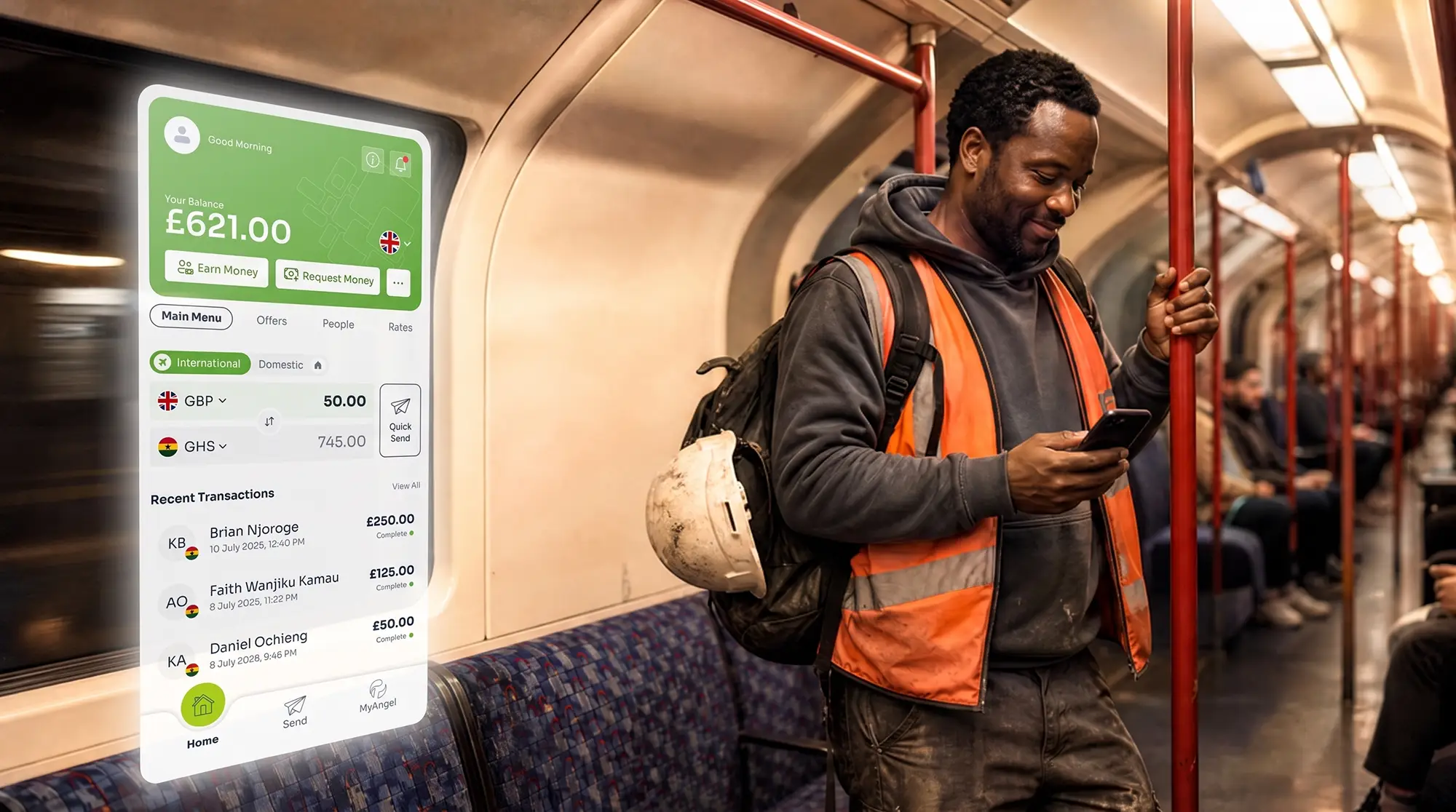
PayAngel is a practical place to start your comparison. It is FCA-authorised in the UK, operates within regulated frameworks in its other send markets, shows the exchange rate and expected recipient amount before confirmation, and provides transfer tracking through its app. Its published transfer and trust information helps you check the service before you send.
Quick answer
International money transfer reliability is shaped by the whole delivery chain: accurate sender and recipient information, successful funding, regulatory screening, available payment rails, local payout capacity and stable technology. Wire transfer speed can be slower when intermediary banks, different operating hours or manual reviews are involved. Digital routes may be faster, but they can still pause when a bank, mobile wallet, card network or payout partner is unavailable.
Before sending, compare the promised delivery window, status tracking, support access, regulation, payout options and the provider’s explanation of possible delays. PayAngel publishes route and trust information, offers in-app status tracking, and charges no transfer fees and no service fees on supported transfers. The exchange rate still forms part of the total cost, so compare the expected recipient amount as well as speed.
| Status signal | Likely meaning | Best next step |
|---|---|---|
| Awaiting verification | Details or documents need review | Respond through the official app or site |
| Processing | Funds are moving through the payment chain | Check the delivery estimate before escalating |
| Delivery delayed | A bank or payout partner needs more time | Ask for the current stage and revised time |
| Service unavailable | The app or a connected system may be offline | Do not submit a duplicate transfer |
Awaiting verification
Processing
Delivery delayed
Service unavailable
Why do international transfers slow down?
An international payment is a chain rather than one direct movement. The sender’s bank or card issuer first has to release the funds. The provider then screens the transaction, converts the currency and sends instructions through its banking or payment partners. A receiving bank, mobile wallet or cash agent completes the last step. Each participant has its own controls and operating schedule.
Traditional bank wires may involve correspondent banks that connect institutions without a direct relationship. More intermediaries create more hand-offs, and each hand-off can add reconciliation work or a compliance review. The Bank for International Settlements identifies limited interoperability, different institutional arrangements and inconsistent standards as continuing sources of slower, less transparent cross-border payments.
Time zones, cut-off times, weekends and public holidays also affect settlement. A transfer submitted late in one country may reach the next institution after its processing window has closed. The speed shown at checkout usually reflects normal route conditions. Treat it as an estimate unless the provider clearly describes it as a guarantee.
International money transfer reliability improves when a provider connects directly to suitable local payment rails, monitors partners and gives customers clear status updates. It still cannot remove every dependency. A reliable service explains where the transfer is, what it needs from you and when you should expect the next update.
| Transfer stage | Common delay trigger | What helps |
|---|---|---|
| Funding | Card decline or bank authorisation | Use an account in your own name |
| Screening | Identity or transaction review | Keep documents current and readable |
| Settlement | Cut-off time or intermediary bank | Send before weekends and holidays |
| Payout | Bank wallet or cash network unavailable | Confirm the recipient method and details |
Funding
Screening
Settlement
Payout
How do compliance checks affect wire transfer speed?
Regulated providers must confirm who is sending money, who is receiving it and whether a transaction presents fraud, sanctions or financial-crime risk. Most checks happen automatically. A payment can move to manual review when a name resembles a sanctions record, the transfer pattern changes, the amount is unusual for the account or required information is missing.
A request for documents does not by itself show poor remittance service quality. It may show that the provider is meeting its legal duties. Quality is visible in how the request is handled: the provider should explain what is needed, use a secure channel, acknowledge receipt and update the transfer status when the review is complete.
You can reduce avoidable checks by completing account verification before an urgent transfer, using your legal name consistently, funding from an account you control and entering the recipient’s details exactly as their bank or wallet holds them. Do not send identity documents through public social media or to an address you have not verified.
Strong international money transfer reliability balances speed with effective controls. A provider that moves every unusual transaction without review may look fast, but speed without safeguarding is not a dependable service. Regulation, secure verification and a clear complaints route matter when something goes wrong.
Prepare these details before you send
- Your current identity and address information
- The recipient’s full legal name
- The correct bank account or mobile wallet number
- The purpose of the transfer when requested
- Evidence of the source of funds for larger or unusual payments
What causes financial transaction errors or failed transfers?
Financial transaction errors often begin with a mismatch. The recipient name may not match the receiving account, a wallet number may contain one wrong digit, the destination account may be inactive, or the chosen payout method may not support the amount or currency. Funding can also fail when a bank blocks an unfamiliar payment or the card has insufficient available funds.
A declined payment and a delayed payment need different responses. A decline normally means the transfer did not enter the delivery chain. A processing status usually means it did. Check the receipt and transaction history before trying again. Repeating a transfer while the first one is still processing can create two valid instructions and put more of your money at risk.
If the provider marks a transfer as delivered but the recipient cannot see it, first verify the exact account or wallet used. Ask the recipient to check their transaction history rather than only the balance notification. Then contact the provider with the transfer reference, recipient details and delivery status. Keep screenshots and messages, but remove account numbers before sharing anything outside the official support channel.
The US Consumer Financial Protection Bureau’s money transfer guidance advises customers to report errors promptly and keep the information supplied by the provider. Your legal rights depend on where you send from, so use the relevant regulator or complaints body if the provider does not resolve the issue.
| Check | Why it matters |
|---|---|
| Transfer reference | Links support to the correct instruction |
| Recipient details | Confirms where the payment was directed |
| Funding status | Shows whether money left your account |
| Delivery estimate | Shows when the transfer becomes late |
| Support record | Creates a timeline for escalation |
Why do payout methods change delivery time?
Bank deposit, mobile wallet and cash collection routes do not rely on the same systems. A bank deposit must follow the receiving bank’s posting rules. A mobile wallet depends on the wallet operator and local network. Cash collection depends on agent opening hours, available cash and the recipient completing collection requirements. International money transfer reliability is therefore specific to the chosen payout method.
The fastest option on one route may be less dependable on another. A digital route can process around the clock but still pause if the wallet operator is maintaining its platform. A bank route may be stable but post only during business hours. A cash route may be useful where account access is limited, yet availability can vary by agent location.
Check the payout method before paying, especially if your family needs the money by a specific time. Confirm that the recipient’s account or wallet is active and that their name matches the provider’s record. Use the provider’s current route information rather than relying on how a previous transfer worked.
PayAngel lists its current supported countries and payout routes. Availability can change, so the app’s live options should be treated as the final check. This is part of assessing international money transfer reliability for the exact route you plan to use.
Why do money transfer services go offline?
Money transfer downtime can come from planned maintenance, a provider’s own software, cloud infrastructure, card networks, banks, identity-verification systems, mobile wallet operators or local payout partners. The customer-facing app may be unavailable while transfers continue in the background, or the app may work while one delivery route is paused. International money transfer reliability depends on how well these connected systems are monitored.
An outage does not automatically mean funds are missing or personal data has been exposed. The practical risk is uncertainty. You need to know whether a payment was accepted, whether processing continues and whether it is safe to try again. The CFPB’s payment-app outage guidance recommends contacting the company, checking incoming and outgoing payments, using another official access method and watching for impersonation fraud.
During an outage, avoid repeated submissions and never post account or transfer details publicly. Check the provider’s website, app notices and verified support channels. Save the time of your attempt and any confirmation message. If the transfer is urgent, ask whether an alternative payout method is available before creating a new instruction.
A single outage does not define international money transfer reliability. Look at the provider’s communication and recovery behaviour. Useful updates state which services are affected, whether existing transfers continue, what customers should do and when another update will follow. Silence and vague instructions make the disruption harder to manage.
How can you judge international money transfer reliability before sending?
Start with regulation. Confirm the legal entity that will handle your transfer and check it against the regulator or official register in your send country. A regulated firm is not guaranteed to avoid outages or delays, but it has defined obligations for customer checks, safeguarding, disclosures and complaints.
Then test the service information. A dependable provider explains the delivery estimate, shows the exchange rate and recipient amount, identifies available payout methods and provides a transaction reference. It should also offer a clear support route and explain how to report an error. Marketing language without operational detail is not enough.
Check recent customer feedback for patterns rather than treating one review as proof. Repeated reports about the same route, payout partner or support problem deserve attention. Give more weight to detailed reviews that name the transfer stage and resolution. Be cautious with both extreme praise and extreme criticism when neither includes verifiable detail.
Finally, run a proportionate test when using a new provider or route. Send a manageable amount before a time-critical or high-value payment. Confirm that tracking works, the recipient receives the expected amount and support is reachable. This turns international money transfer reliability from a brand promise into something you have observed.
| Reliability check | What good looks like |
|---|---|
| Regulation | The operating entity appears on an official register |
| Delivery window | The estimate is visible before confirmation |
| Tracking | Every transfer has a reference and current status |
| Support | Official contact routes and escalation steps are clear |
| Payout coverage | The recipient method is available on the live route |
| Cost transparency | The rate and recipient amount appear before payment |
What should you do when a transfer is late or the app is down?
First, compare the current time with the delivery estimate and check whether weekends or holidays affect the route. Read the latest status in the app or website. Confirm whether the money left your funding account, but do not assume a card authorisation or pending bank entry proves the recipient payment is complete.
Second, contact the provider through an official channel. Give the transfer reference, the date and amount, the recipient’s name and the status you can see. Ask for the current stage, whether any action is required from you or the recipient, and the next update time. Keep the response and any case number.
Third, avoid duplicate payments. If support confirms that the first instruction failed or was cancelled, verify when the funds will be released before trying again. If the recipient has an urgent need, discuss a separate backup plan with them rather than guessing whether the original transfer will arrive.
Escalate when the provider misses its revised time, marks a transfer delivered without evidence, does not investigate an error or stops responding. Follow the complaints process, then contact the relevant regulator, ombudsman or consumer-protection body. Good cross-border payment issue handling is part of international money transfer reliability, not an optional extra.
Use this escalation order
- Check the receipt delivery estimate and live status
- Contact official support with the transfer reference
- Provide requested information through a secure channel
- Ask for a revised time and written case number
- Use the formal complaints process if the issue continues
- Contact the relevant external body when internal escalation fails
A reliable transfer starts before you press send
Reliability is route-specific. A provider can perform well for one bank or wallet and face delays with another. Check the exact destination, payout method and delivery estimate every time. Complete verification early and review the recipient details before confirmation.
Compare the full offer, not only wire transfer speed or a zero-fee message. PayAngel charges no transfer fees and no service fees on supported transfers, but the exchange rate remains part of the total cost. The guide to international money transfer fees explains why the amount your recipient gets is the clearest comparison.
For a new route, use a manageable test transfer and watch how the service communicates from funding to delivery. International money transfer reliability shows up in accurate estimates, useful status updates, secure checks and a clear response when normal processing changes.
Send with more confidence when timing matters
A dependable transfer is not simply the fastest one on a perfect day. It is the one with clear expectations, secure checks, accurate tracking and useful support when the route changes. Use the checklist in this guide before every important payment.
PayAngel lets you review the live rate, expected recipient amount and available route before you confirm. It charges no transfer fees and no service fees on supported transfers. Check the delivery estimate, verify the recipient details and keep the transfer reference until the money arrives. Those habits make international money transfer reliability easier to judge.

Scan QR code to download the app.
Frequently asked questions
International money transfer reliability depends on accurate details, successful funding, regulatory checks, available payment rails, local payout capacity and stable technology. Delays commonly come from manual review, bank operating hours, intermediary institutions, payout-partner interruptions or service outages.
Processing usually means the transfer entered the delivery chain but has not reached the final payout stage. Check the delivery estimate and status first, then ask the provider for the current stage and whether it needs information from you or the recipient.
Timing varies by provider, route, currency, intermediary banks, cut-off times and the receiving institution. Use the estimate shown for your exact transaction and allow for weekends and public holidays. Contact the provider when that estimate has passed.
Not necessarily. Regulated providers must screen customers and transactions. A transfer may need manual review because information is missing, a payment pattern changed or a name needs closer checking. Respond only through the provider’s secure official channel.
Check the provider’s website and verified support channels, confirm whether your transfer was accepted and avoid submitting it again until the status is clear. Save confirmation messages and never post account or transfer details publicly.
You cannot remove every delay, but you can reduce avoidable ones. Verify your account early, use accurate recipient details, fund from an account in your name, send before weekends or holidays and confirm the payout method is active.
Check its regulated entity, delivery disclosures, transaction tracking, official support routes, complaints process and live payout coverage. Review feedback for repeated patterns and use a manageable test amount before a time-critical payment.
No. Confirm whether the first instruction failed, was cancelled or is still processing. A duplicate submission can create two valid transfers. Ask the provider when held funds will be released before making another payment.
No. Fees are only one part of the decision. Compare the exchange rate, recipient amount, delivery estimate, tracking, support and payout reliability. PayAngel charges no transfer fees and no service fees on supported transfers, while the exchange rate remains part of the cost.